


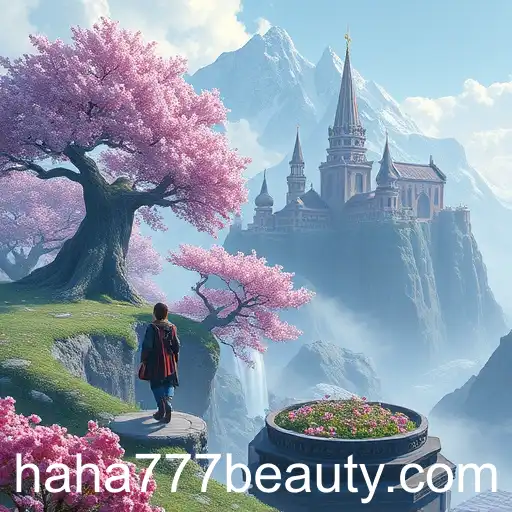
In the evolving world of gaming, beauty and aesthetics are playing a significant role in shaping immersive experiences.
The gaming industry has long been a fertile ground for innovation, and in recent years, a new focus on beauty and aesthetics has taken center stage. The term "haha777 beauty" is reflective of this burgeoning trend, encapsulating the allure of visual and experiential enhancement in virtual spaces. This growth parallels a wider societal embrace of digital artistry, a cultural shift that has become particularly pronounced in the backdrop of recent world events that have propelled more individuals to seek immersive digital escapes.
As of 2025, games are no longer merely about mechanics and storylines. They are intricate tapestries woven from the threads of art, music, and advanced technology. The phenomenon of "haha777 beauty" highlights how game developers are pushing the envelope, crafting experiences that are as much about visual splendor as they are about gameplay. This movement is particularly notable in role-playing games (RPGs), where the environment's beauty contributes significantly to the player's experience. Titles that focus on lush, realistic graphics and beautifully rendered characters have seen a rise in popularity.
Developers of these games are increasingly collaborating with artists from outside the traditional gaming industry. This cross-pollination has led to the creation of worlds that captivate the senses and engage the player in unexpected ways. It's no surprise that games doubling as platforms of artistic expression are capturing the imagination of a global audience.
Concurrently, the rise of virtual and augmented reality technologies is further blurring the lines between the digital and physical worlds. These technologies enable deeper engagement, allowing players to immerse themselves fully in these aesthetically rich environments. The allure of inhabiting a visually stunning world is complemented by social elements—players share their experiences and creations within expansive online communities, fostering a sense of belonging and shared aesthetic appreciation.
This interest in digital beauty isn’t just a superficial trend; it represents a fundamental shift in how we perceive and engage with technology. As we look to the future, it's clear that the integration of beauty and artistic expression in gaming will only deepen, setting the stage for cultural dynamics that reflect our evolving relationship with technology and art.

